.png)
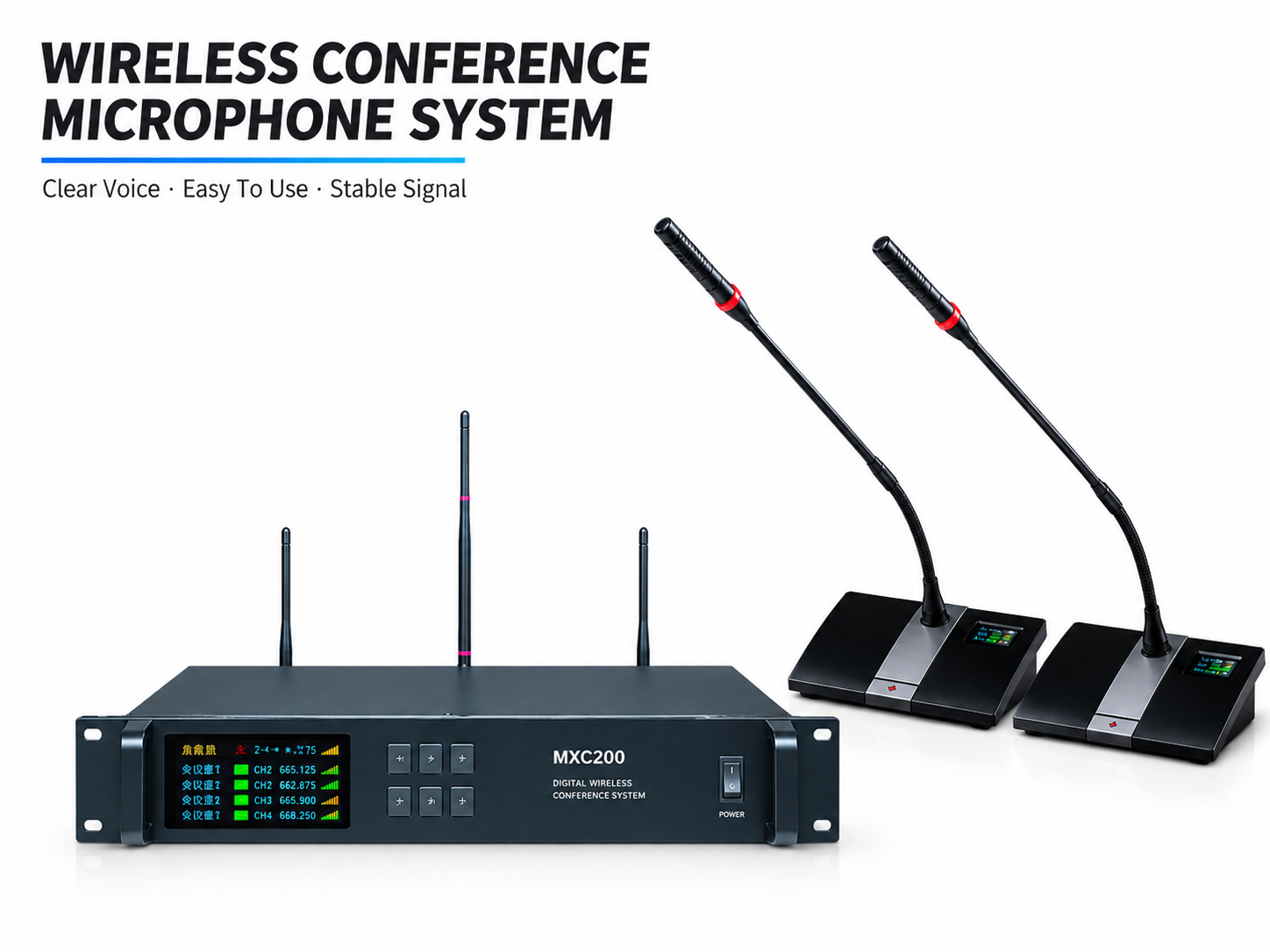
Most wireless microphone problems do not begin on stage. They begin at the buying stage.
A system may look impressive in a product photo and still fail in the room where it is actually used. The receiver may not have the right outputs. The bodypacks may use the wrong connector for the chosen headset. The channel count may be enough for rehearsal but not for the full event. Or the system may work perfectly during setup and then encounter interference when the room fills with people, phones and other wireless equipment.
Choosing the right wireless microphone system is not about finding the product with the longest feature list. It is about matching the system to the number of speakers, the type of performance, the size of the venue and the way the audio will be controlled.
What to Consider Before Buying
Start with the event, not the product page.
The first question is not “How many watts does it have?” or “How many channels can it support?” The first question is: What has to happen during the event without interruption?
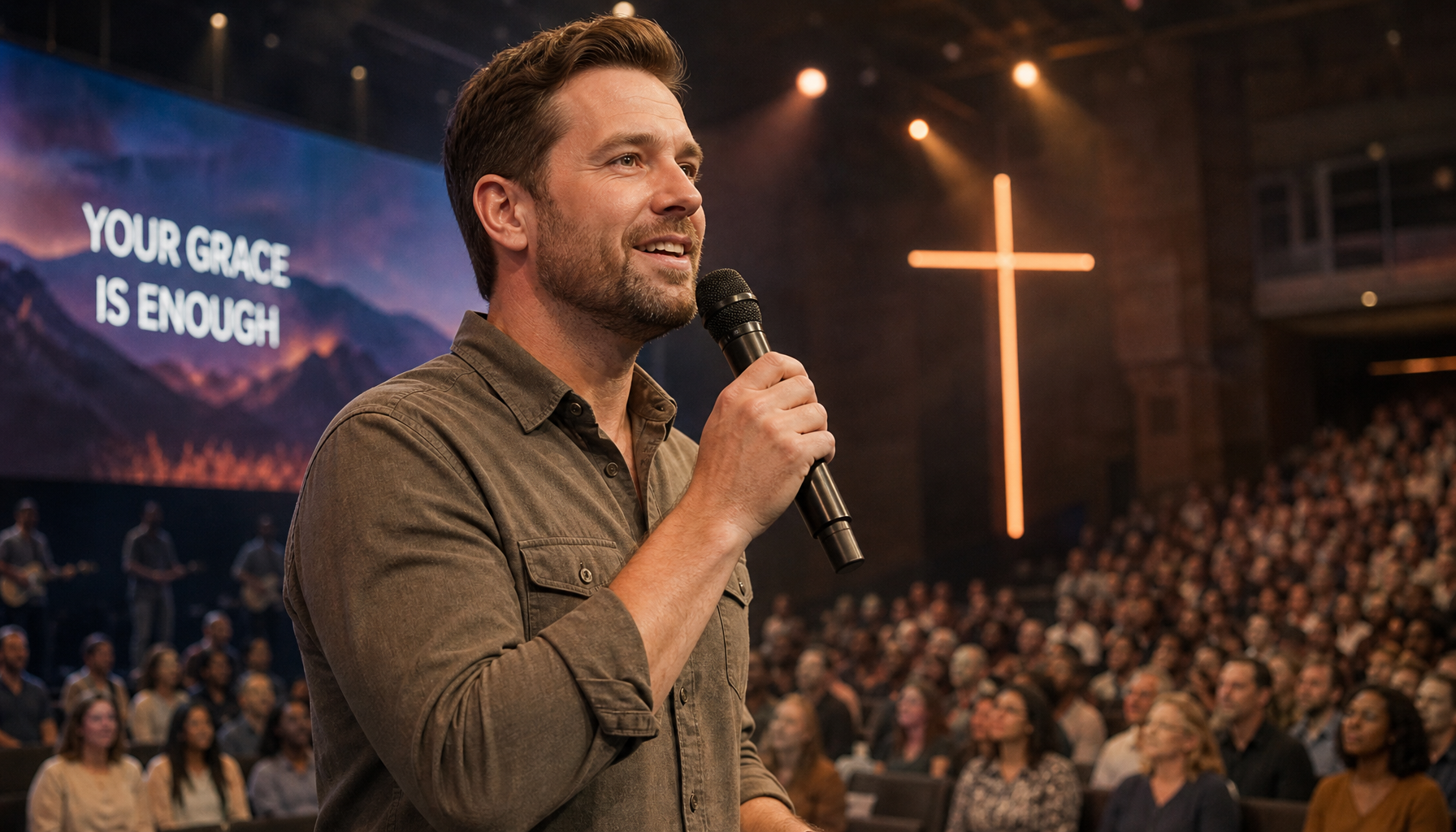
A church service may need a lavalier for the preacher, a headset for the worship leader and a handheld microphone for a guest speaker. A band may need several handheld and bodypack channels at the same time. A conference may need multiple microphones for a panel, with a separate chairman unit and clear speech for every seat.
Once the real workflow is clear, the technical choices become easier.
The main factors are:
- Channel count: how many wireless microphones will be active at the same time
- Microphone type: handheld, headset, lavalier or a combination
- Transmission: UHF or digital wireless, with reliable frequency planning
- Receiver outputs: compatibility with the mixer, amplifier or recording system
- Portability: fixed installation, rental use or frequent transport
- Expandability: whether the system can grow without replacing everything
A system that is perfect for a fixed conference room may be unnecessarily complicated for a touring performer. A compact system that is ideal for a small event may not have enough channels for a large production. The right choice begins with the working conditions.
How Many Channels Do You Need?
Count the maximum number of microphones that will be used at the busiest point in the event, then add one spare channel.
For a small event with a host and one singer, two channels are often enough. A four-channel system can cover a presenter, two vocalists and a spare handheld. A full band, church worship team, panel discussion or multi-act event may need eight channels or more.
The spare channel is not a luxury. It is a practical backup for a guest microphone, a faulty transmitter or an unexpected extra speaker. It also gives the audio operator room to solve a problem without rebuilding the entire system.
If the venue regularly hosts larger events, choose a system that can expand. Buying only for today’s smallest event often leads to a second purchase much sooner than expected.
UHF vs Digital Wireless
UHF and digital are often presented as two competing choices, but the terms describe different things.
UHF refers to the radio frequency band used for transmission. Digital refers to how the audio signal is processed or transmitted within the system. Many professional digital wireless systems operate in the UHF band, so “UHF” and “digital” are not always opposites.
What matters in practice is how the system performs in the real venue.
A UHF system can offer flexible frequency planning and stable transmission when the channels are set correctly. A digital wireless system can add digital processing, secure transmission and convenient channel management. Neither label alone guarantees a reliable result. Antenna placement, frequency coordination, receiver quality and the local RF environment matter just as much.
For a small event, a straightforward UHF system may be all that is needed. For a large production with many simultaneous microphones, choose a system that provides enough channel capacity and a practical way to monitor signal quality.
Receiver and Transmitter Features That Matter
The receiver is the control centre of the system. It should be easy to operate under pressure.
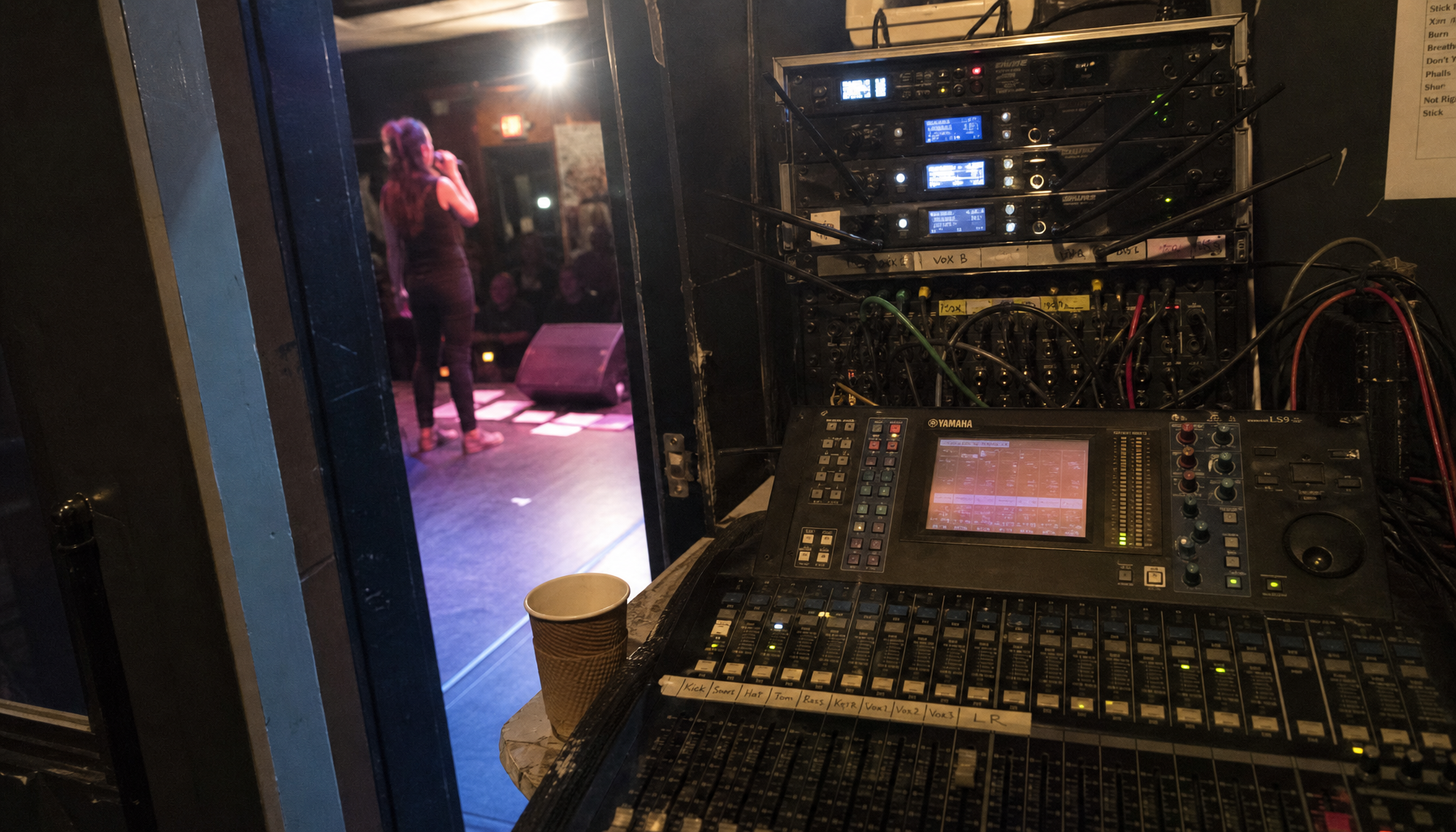
Useful receiver features include a clear channel display, simple frequency selection, reliable antenna connections and outputs that match the rest of the audio system. Balanced outputs are useful for professional mixers, while additional outputs can make the receiver easier to connect to different setups.
The transmitter matters just as much. A handheld microphone should feel balanced and durable in the hand. A bodypack should be easy to attach, comfortable for the performer and compatible with the chosen headset or lavalier connector.
Before buying, check the connector type. A headset with the wrong connector cannot be used with a bodypack, even if both products look compatible in photographs. Also consider battery life and how batteries will be checked or recharged before each event.
Which MiCWL System Fits Your Event?
The right system depends on the number of performers, the type of microphone and the way the event is managed. These are real MiCWL systems that can be matched to different working scenarios.
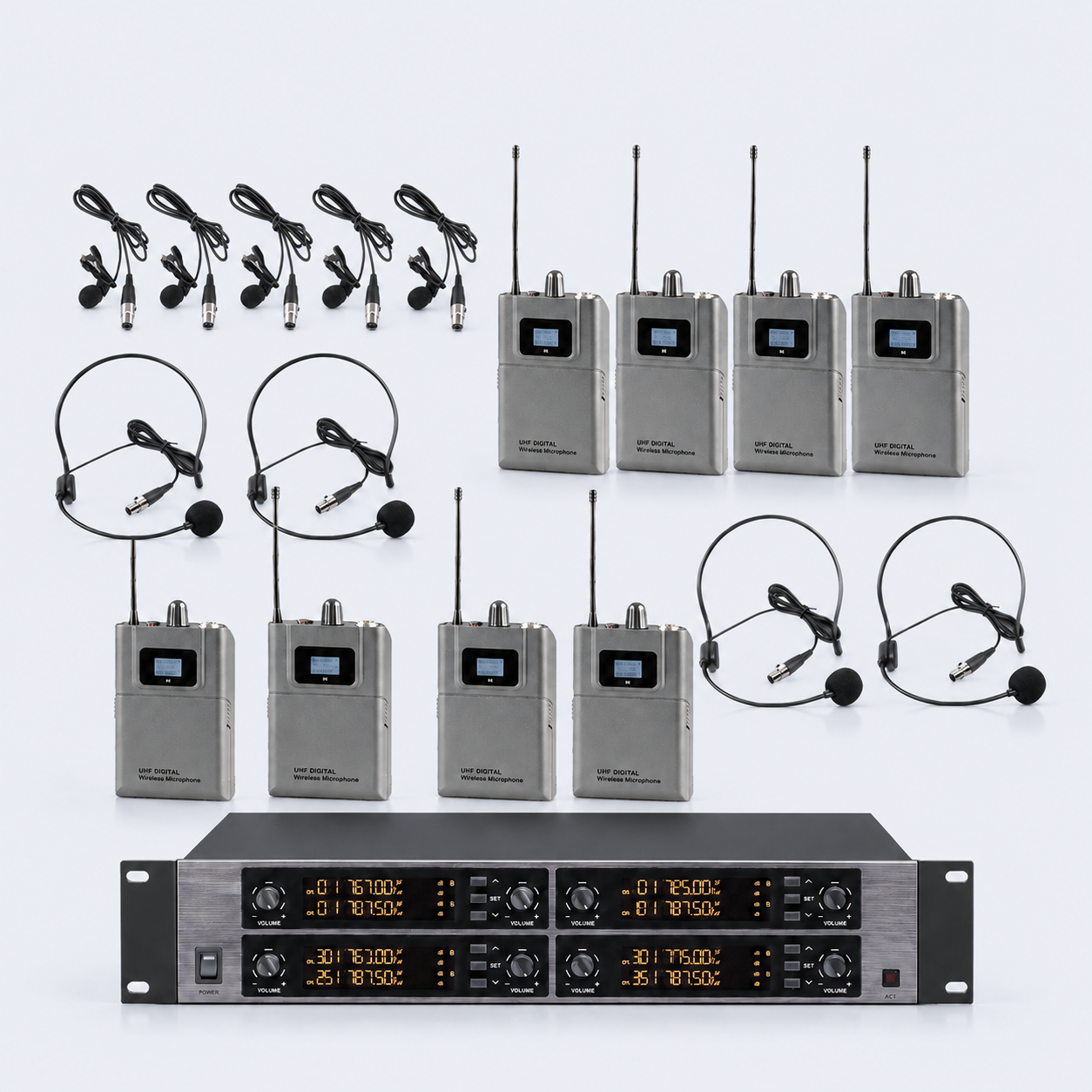
D3900 8-Channel Digital Wireless Bodypack System
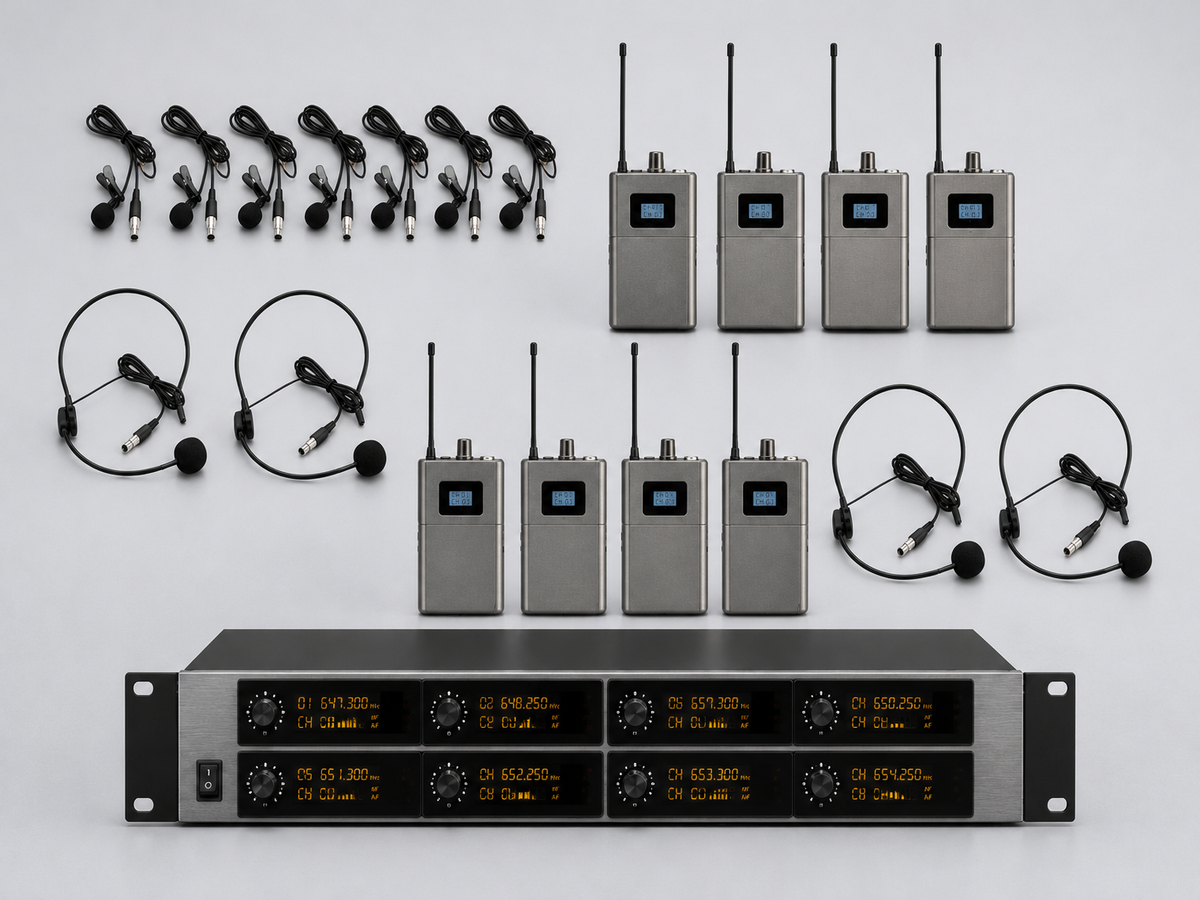
The D3900 8-Channel Digital Wireless Bodypack System is designed for events that need multiple performers on bodypack microphones. The system includes eight bodypack transmitters, with a choice of eight headset microphones or eight lavalier microphones. The 2U rack receiver provides a clear channel display and encrypted UHF transmission with a range of up to 100–300 metres, depending on the environment.
This system suits stage productions, worship teams, multi-speaker events, schools and venues that need several performers moving freely at the same time.
Product page:
https://www.micwlshop.com/en/product-d3900-8ch-bodypack-wireless
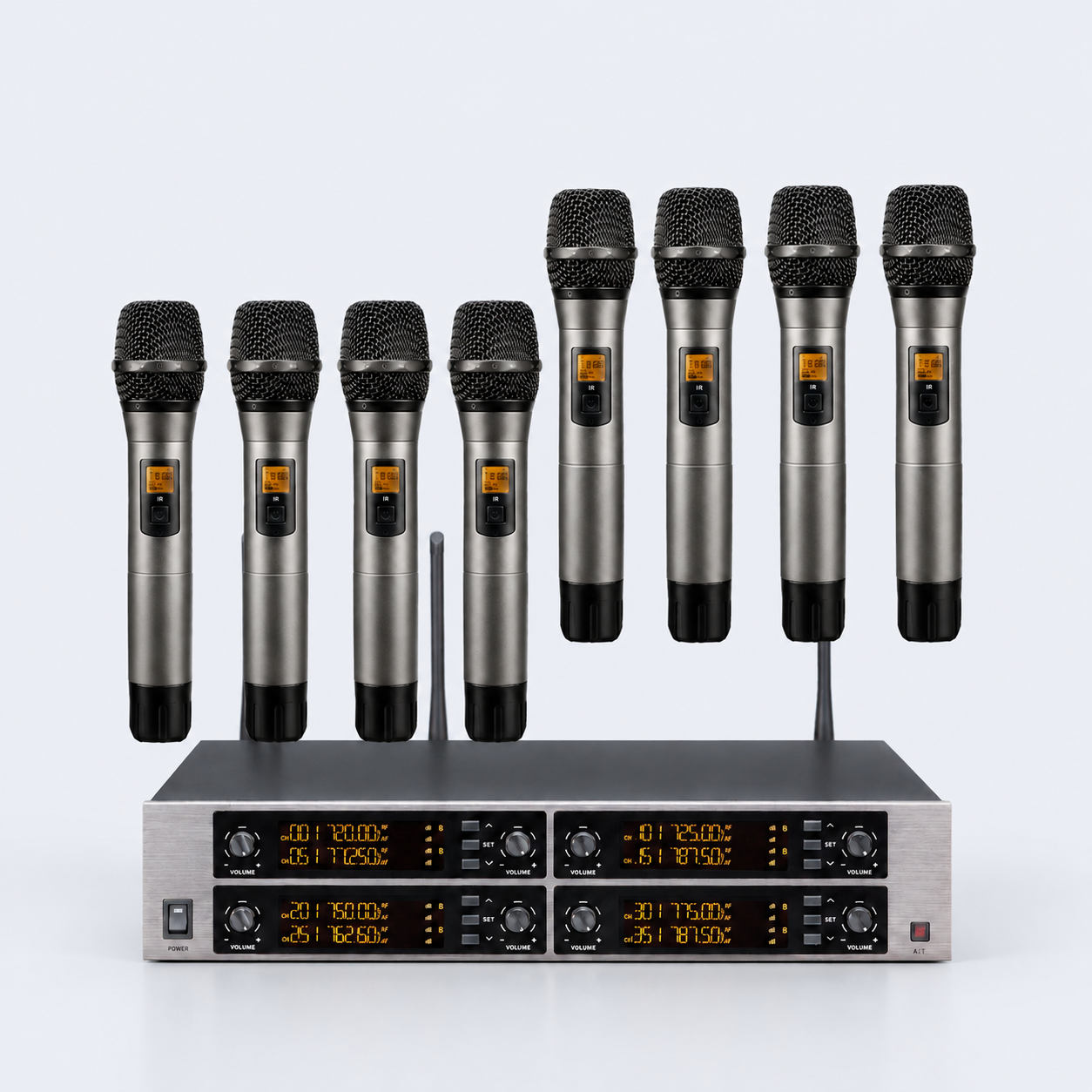
D3900 8-Channel Digital Wireless Handheld System
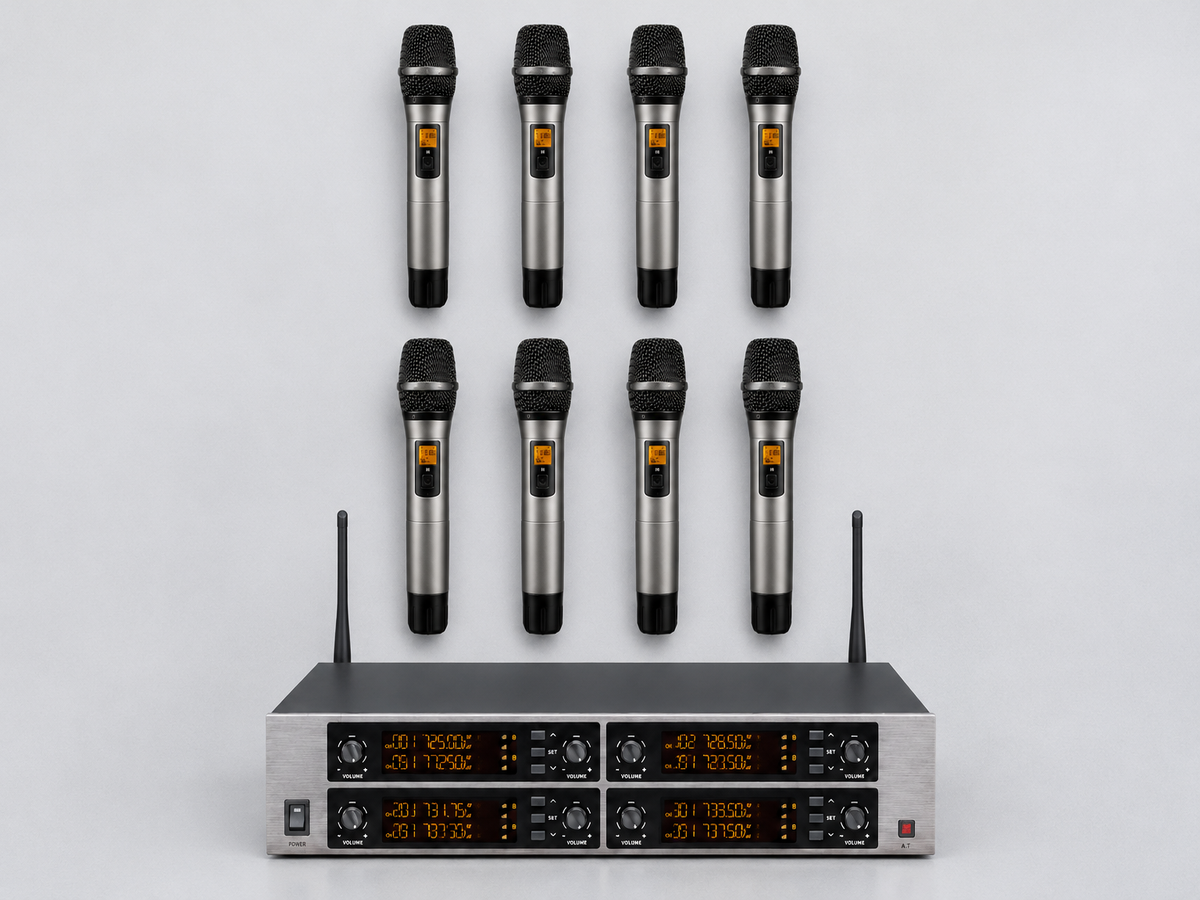
The D3900 8-Channel Digital Wireless Handheld System is the handheld counterpart for events that need multiple presenters, singers or performers holding microphones. It is suitable for stage performances, conferences, churches, schools and large group events where eight handheld channels are more practical than a mixed bodypack setup.
Product page:
https://www.micwlshop.com/en/product-d3900-8ch-handheld-mic-system
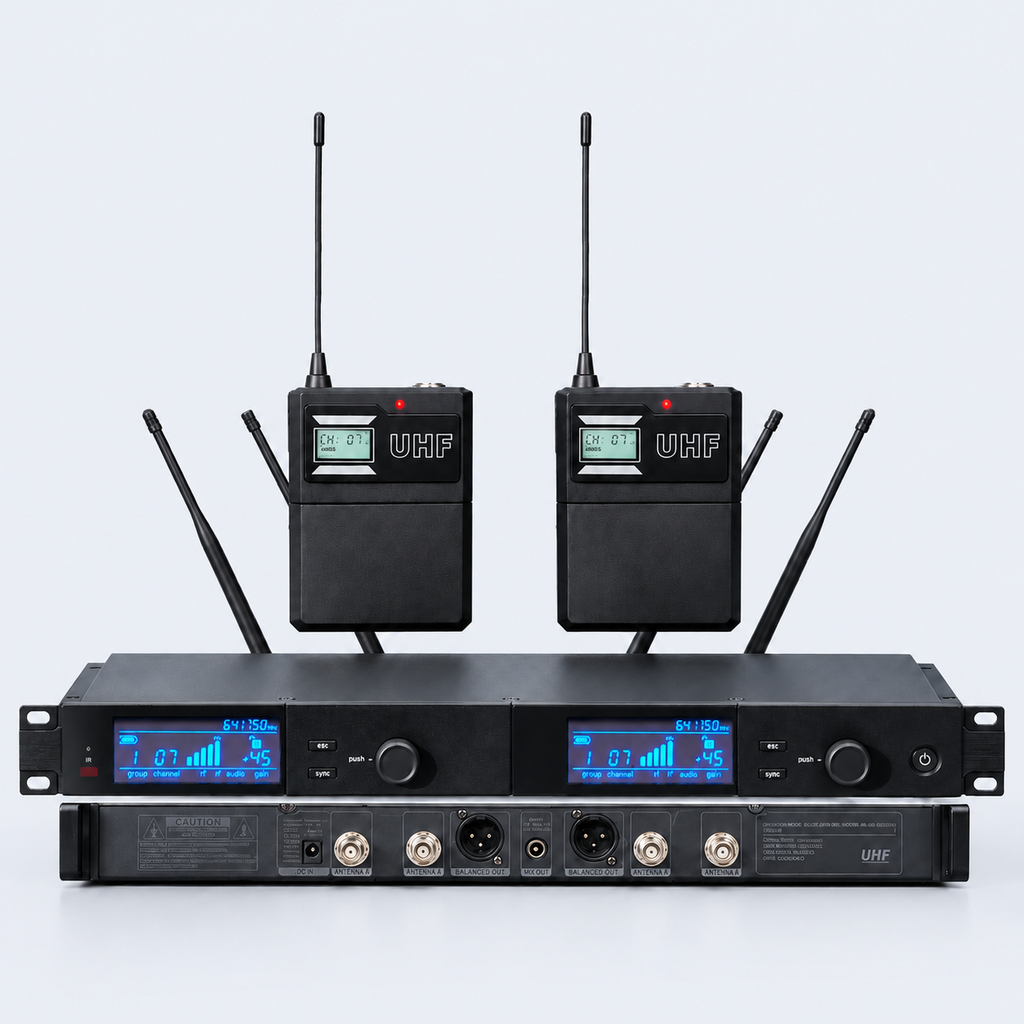
SLXD4D Dual-Channel Wireless Bodypack System
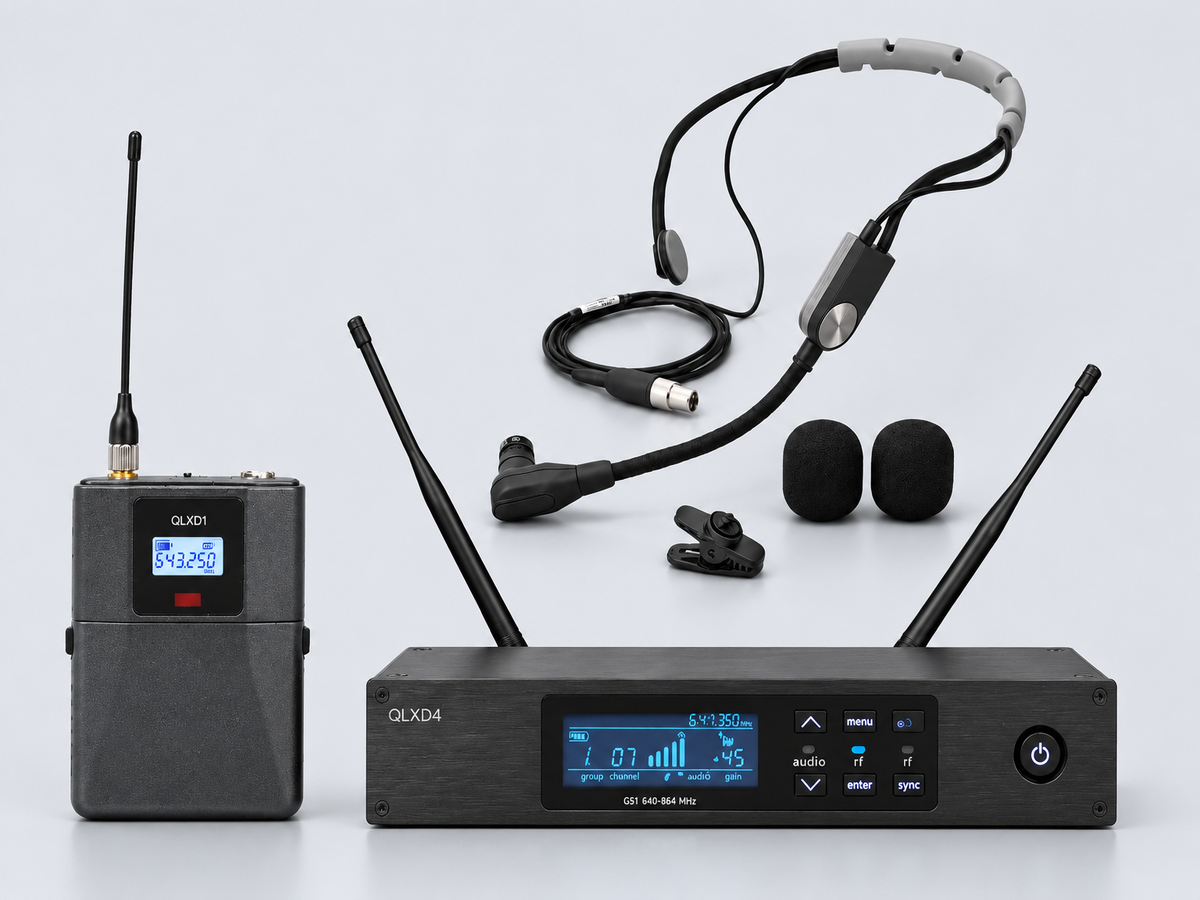
The SLXD4D system is a two-channel bodypack setup with two SLXD1 transmitters and headset or lavalier microphone options. It is a practical choice for presenters, interviews, small events and situations where two wireless bodypacks are enough.
Product page:
https://www.micwlshop.com/en/product-slxd4d-dual-slxd1-bodypack-wireless-system
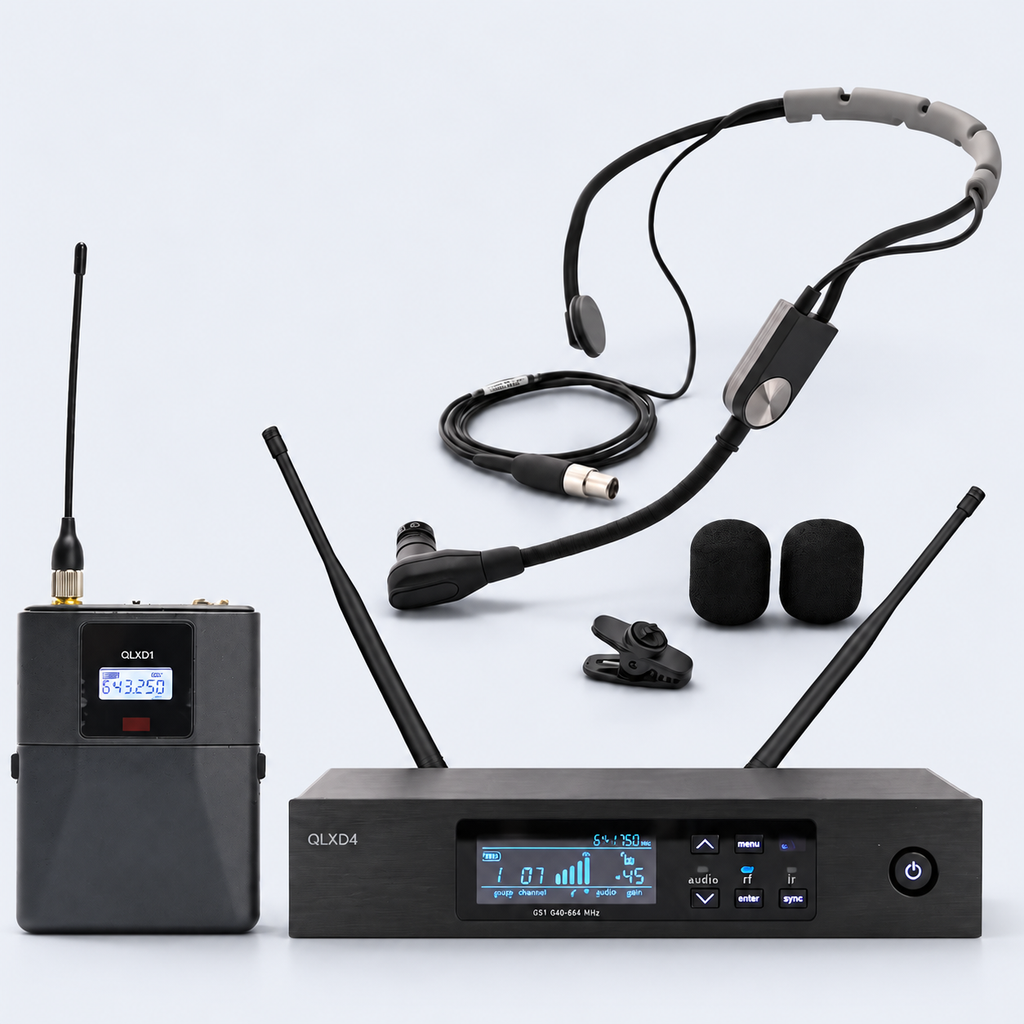
QLXD 100 Channel SM35 Cardioid Headset Wireless System
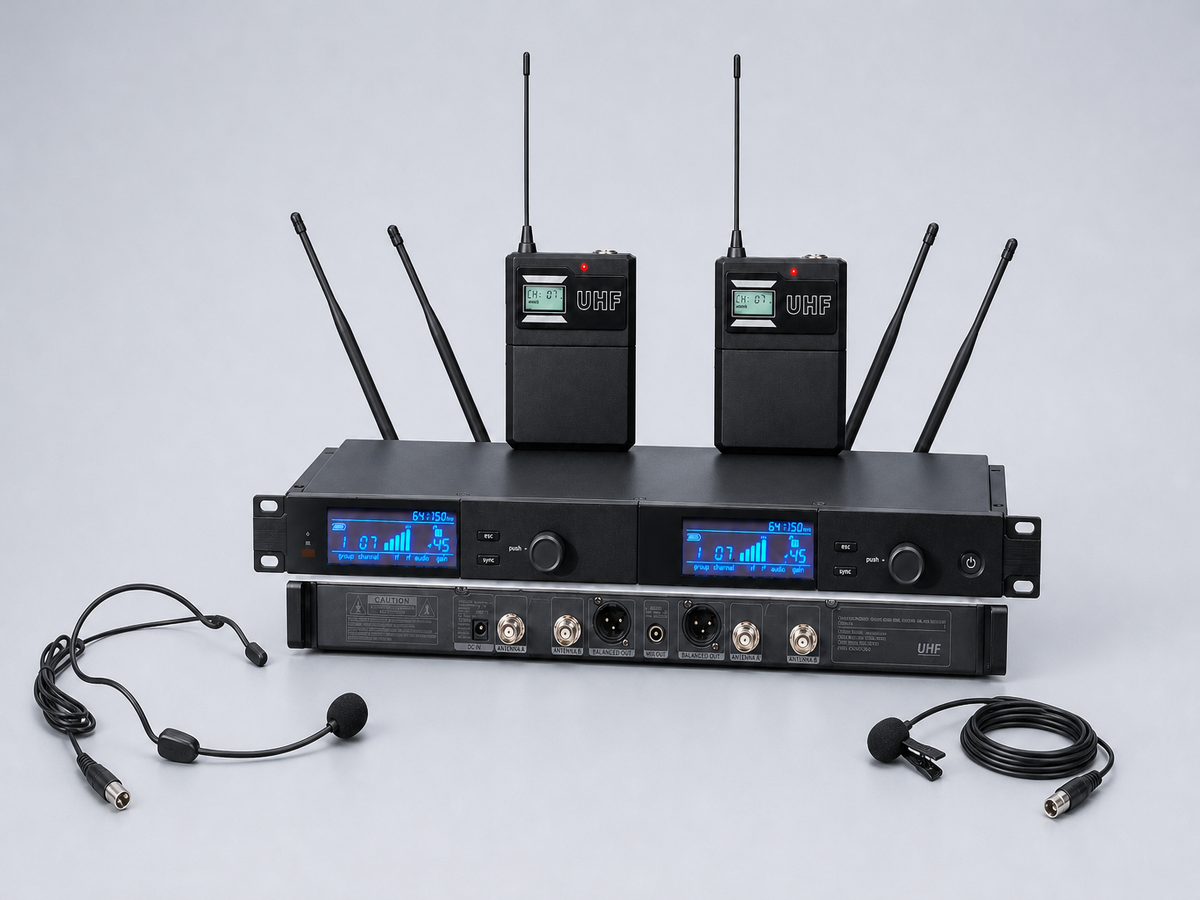
The QLXD SM35 system combines a QLXD1 bodypack, a QLXD4 receiver and an SM35 cardioid headset microphone. It is suited to performers, worship leaders, presenters and content creators who need a stable headset microphone with a clean, hands-free setup.
Product page:
https://www.micwlshop.com/en/product-sm35-cardioid-headset-wireless-system-qlxd
Common Buying Mistakes
One of the most common mistakes is buying by channel count alone. A system may have eight channels but lack the receiver outputs or connector compatibility needed for the actual microphones.
Another mistake is planning for the smallest event instead of the busiest one. A system that works for a small meeting may not have enough channels for a full performance. The opposite mistake is also common: buying a large system that is difficult for the available staff to operate.
Other problems include:
- choosing bodypacks before checking the headset or lavalier connector
- ignoring antenna placement and frequency planning
- forgetting spare batteries and a backup transmitter
- buying multiple systems without considering whether they can work together
A good buying decision should account for the full audio chain, not just the microphone in the product photo.
Frequently Asked Questions
How many wireless microphones do I need?
Count the maximum number of microphones that will be used at the same time during the event, then add one spare channel. For a small event, two channels may be enough. A full band, panel or multi-speaker production may need four or eight channels.
Should I choose a handheld or bodypack system?
Choose handheld microphones for hosts, guests and performers who need a familiar microphone in their hand. Choose bodypack systems with headset or lavalier microphones when performers need free hands, stable voice pickup or a discreet appearance.
Is UHF better than digital wireless?
UHF and digital are not always direct alternatives. UHF describes the frequency band, while digital describes signal processing or transmission. A professional digital wireless system can operate in the UHF band. Compare the actual channel capacity, stability, receiver features and venue requirements.
Why does my wireless microphone lose signal?
Common causes include blocked antennas, batteries that are running low, channels that are too close together and interference from other wireless devices. Check the receiver, antenna placement, batteries and frequency settings before replacing the system.
Get Help Choosing the Right System
Every venue has a different workflow. A small church, a touring band, a conference centre and a school auditorium do not need the same microphone system.
Tell us the event type, the maximum number of simultaneous microphones, the room size and the microphone types you need. We can help you choose a MiCWL system that matches the real working conditions instead of simply the biggest or most expensive option.
Browse wireless microphone systems:
https://www.micwlshop.com/en/category-wireless-microphone-system